
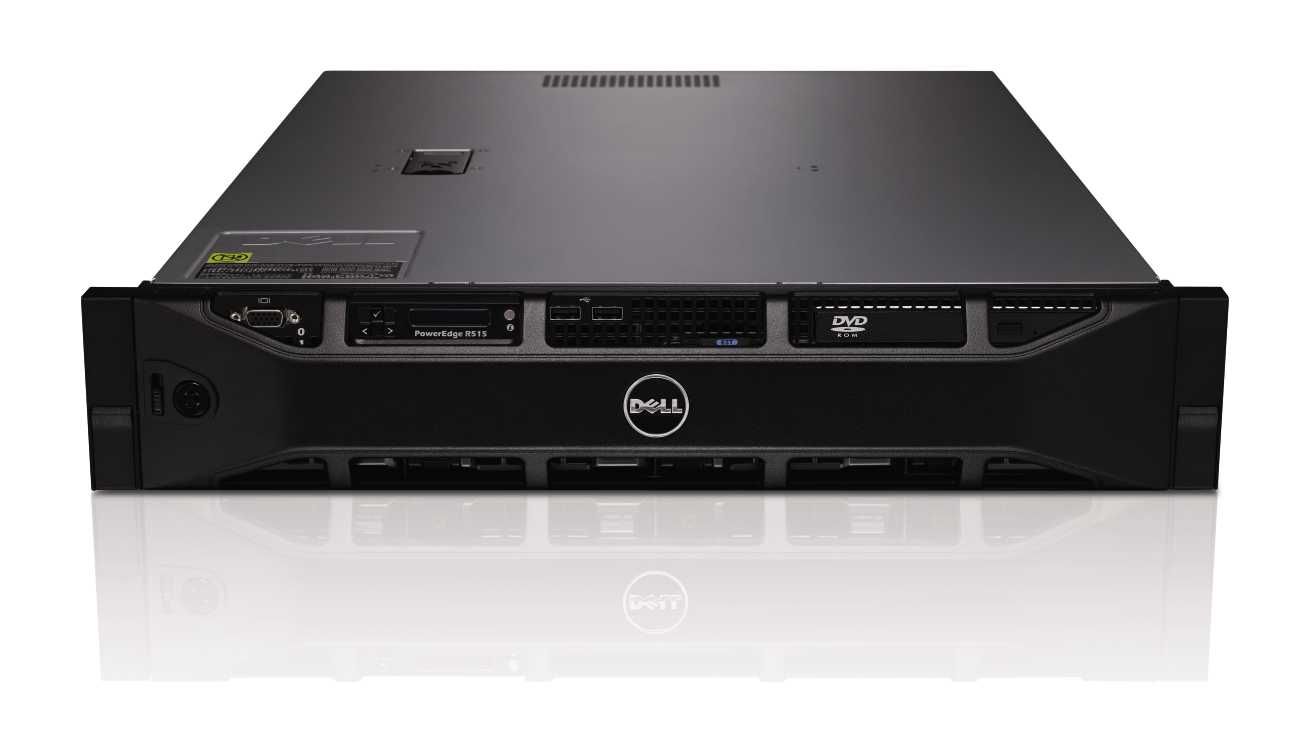
Buy new not OLD
The most important thing when buying a server is to check the age of the server as many hosting companies are offering older style servers, and while these are OK for starting out they are no good for a production or high traffic website. Old servers have been used and the drives degraded, power supplies worked and all components heated and cooled many times. It’s always best to ensure that you ask for a NEW server from your supplier. Servers Australia only ever offer the newest and latest hardware and this means we can repair/replace any of the parts we have in production as we refresh our fleet every few years. Buying older hardware also means it may be harder to source the parts if and when the old server does stop running.
Data Charges
Getting a nasty surprise from your provider is never a good thing so make sure when buying a server you are given a nice data allowance and that you know the cost of excess data up front. As a guide in Australia you should never pay more than $1.10 per GB for excess data charges, as this is standard across the board and is also a reasonable rate. Buying data in bulk or in advance will generally save you 50% off on your data charges and is important to look out for.
Control Panel or Not
When buying a server, you need to decide if you want and need a control panel such as cPanel or Plesk, as there are many advantages and disadvantages to having a control panel. A control panel is a great resource for someone that has a few websites or owns a hosting/design company. Having a control panel is fantastic for customers and for customer management. It will also save a huge amount of admin time to allow you to focus on running your business. If you have a large scale site that is very busy or requires having servers in multiple locations with load balancing then you need to consider not using a control panel and just go for a standard LAMP setup. This will require a little bit more maintenance but it will give you advanced functionality, such as the load balancing and DRDB which is a distributed raid system.
Customer Support
You may run into some tough situations once in awhile, or need a server reboot to fix a locked server. That will require some assistance from your server provider. If you have a hard time getting in contact with the company providing your server, this is a sign that they do not provide very good customer support. As such, it’s best to choose a company that responds to your e-mail tickets promptly and is always there to help you with any problems. Solid customer service can be a lifesaver in a critical situation, so look for a company that offers a SLA for support response times and also a company that provides true 24/7 emergency support, because yes servers NEVER sleep and ALWAYS seem to break during the night! Servers Australia can manage either of the above, as we have qualified level 2 and 3 technicians that have years and years of experience in managing both control panel based servers and also LAMP servers. Remember we are here to ensure that you get the most out of your new server, so ensuring that the right people are in control of it may just save you the headaches during the busy times of your site.
Port speed
The speed of the port that your server is connected to is very important, as you want to be able to get the content from your server off the providers network as fast as possible. In this day and age a 1 Gbit port is generally recommended. This would allow multiple people to be all downloading a large file from your server at full speed. Most DSL connections in Australia are now around 20 mbits per second, so multiple DSL users would cause your server to be bottle necked by the port speed if you had a 10 mbit or 100mbit port. Always ensure that this is checked before committing to a server and it’s also good to do speed tests of the providers server before purchasing.
Disk Speed
When buying a server to be hosted, the speed and quality of the disks is the most important part of the server, as without fast functioning disks the server will come to a grinding halt since all information is read from the disks. View our SSD dedicated server page for more information on the performance difference between SSDs and HDDs.