Email us
 Support
 Login
Login
The Move to Store the World
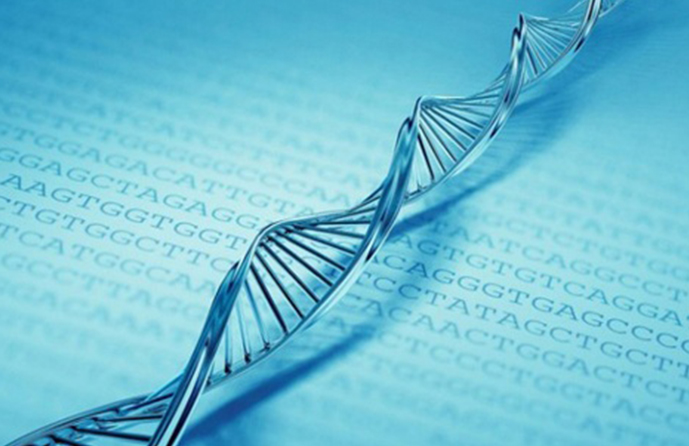
Last month, a revolutionary method of storing information was introduced. When I say this, I mean it in its full right, it was truly revolutionary. You may have an inclining as to what it was, but if you don’t know, it’s a crazy (and to be honest very weird if you think about it) concept. DNA storage.
To starts, let me give you some raw information. 5.5 petabits, was stored on one gram of DNA. This is approximately 700 terabytes of information, on ONE gram of matter. Let’s think, one gram of DNA is a lot of DNA due to the fact that DNA itself is so small. But relative to storage mediums today, one gram of a HDD holds almost nothing compared to DNA.
700 terabytes is a lot of information, if a DVD holds roughly 4.5GB, then on a single gram of DNA, you would be able to hold around 160 000 DVD’s. According to IMDb (Internet Movie Database), they have 277 662 feature films released in the past or in production listed between the years 1880 and 2019. So in theory, with 2 grams of DNA, you would be able to store each one of these movies. So yeah, that’s a lot of storage space.
So how does it work?
You start by sequencing and embedding short fragments of chemically synthesised DNA on the surface of a very small glass chip. DNA information is stored into a four letter alphabet system of As, Cs, Gs and Ts. For this reason, the researchers divide the information into small blocks and convert typical binary into this four letter system. T and G convert to represent 1, while A and C convert to represent 0. Each DNA fragment also contains a digital reference of its original location in the file, as to piece the file together. After this when reading the data, you need a DNA sequencer and computer to reassemble the fragments in the correct order and convert it back to a digital format.
Don’t expect this to take over your current storage devices just yet, currently the cost to do all of this is too high for the worth. But who knows where things might go in the future?
Sources